


Allucent
A Journey of Collaboration and Future Transformations in Biotech Space
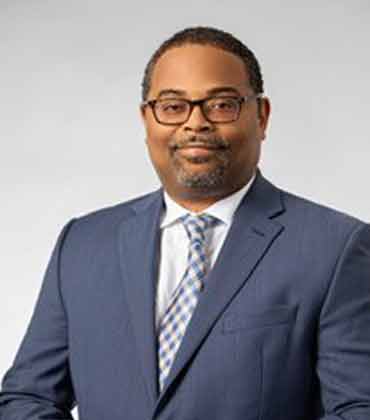
Marcus Delatte
Marcus Delatte, a distinguished thought leader in the Life Sciences industry is an advisor, strategist, negotiator, facilitator, communicator and a trusted authority in assessing and managing risks for health-related products. His publications and prestigious speaking engagements have solidified his presence, shaping industry discussions and best practices. Spanning small molecules, food ingredients, and biologics, Delatte’s expertise makes him a sought-after guide for navigating product development complexities.
In an exclusive interview with Life Sciences Review, Delatte shared his valuable insights on the challenges and trends of the industry. He also talked about how technology is shaping the future of the biotech marketplace.
Could you provide us an overview of your background in the industry?
As the Vice President at Allucent, , the journey leading up to my role is deeply rooted in a diverse background. During my under graduation, my primary aspiration was to contribute to the betterment of my community by assisting individuals struggling with drug abuse. This passion steered me towards a scientific career, where I engaged in research related to drug abuse as part of a comprehensive program that culminated in a Ph.D. in pharmacology. Subsequently, I pursued a postdoctoral fellowship at Harvard Medical School/McLean Hospital where I held a position in the Department of Psychiatry and continued my research on drug abuse.
Recognizing the value of my contributions, FDA extended an invitation to join them. For nearly 12 years, I served in a division responsible for overseeing regulated analgesics, addiction products, and anesthetics. I had the privilege of collaborating with various review divisions focused on neurological and psychiatric products. This tenure provided me with a well-rounded understanding of the regulatory landscape governing diverse drug products.
Drawing from my institutional knowledge gained at the FDA, I transitioned to become a consultant. During my time at the FDA, I observed that many of the small and mid-sized companies, whose regulatory submissions I reviewed, lacked the necessary expertise to navigate regulatory requirements and fulfil their obligations pertaining to toxicology testing. While these companies excelled in their respective technologies, they often faced challenges in drug development, particularly in the realms of regulatory affairs and toxicology. By engaging in consulting work, I have helped them address these gaps and support this segment of the industry.
What are some of the challenges that you see in the marketplace today?
One notable hurdle pertains to the scarcity of funding in a market predominantly occupied by small and mid-sized companies. These companies serve as drivers of innovation within the market and insufficient funding diminishes the likelihood of patients gaining access to improved treatments that may be more efficacious and safer than existing alternatives.
Another noteworthy challenge lies in the resource limitations experienced by small and mid-sized companies. While they excel in their respective technological domains, they often lack the organizational structure necessary to compete with well-established counterparts.
The final pain point revolves around the expertise and experience of personnel within these companies. While their staff members possess profound scientific knowledge in their particular technology, they often lack the requisite proficiency in navigating regulatory frameworks and effectively managing product safety concerns. Consequently, they find themselves grappling with an unfamiliar landscape, lacking the necessary experience to adequately prepare for engagements with regulatory agencies. This increases the risk of their products and programs encountering clinical holds, a circumstance viewed unfavorably by investors.
Are there any particular technological trends impacting the biotech space?
The two prominent trends that significantly impact the industry are investments in technology and scarcity of nonhuman primate. Companies are increasingly focused on utilizing non-animal models for the evaluation of product safety and efficacy. Regulatory agencies worldwide endorse this approach, recognizing its necessity due to the limited availability of nonhuman primates and the escalating costs associated with research involving these animals. Hence, developers working with products where nonhuman primates are the only relevant species face diverse challenges during the development process.
Similarly, another noteworthy trend, which can be regarded as a positive development, involves the substantial investment in software applications designed to enable regulatory scientists to efficiently extract and analyze data from electronic submissions provided by sponsors.
This advancement significantly streamlines communicating findings with sponsors. In the past, as a reviewer at the FDA, I encountered the challenge of receiving paper-based submissions and having to sift through numerous pages to locate relevant information. Regulatory agencies like the FDA are now actively investing in technological solutions to optimize the review process.
Is there any particular project or initiative that you are working on?
Currently, I am helping to lead a thought leadership project with a diverse team of experts from regulatory agencies, scientific research, reviewing processes, academia, and industry. Our focus is seizure liability assessment and management, exploring advanced technologies for detecting drug-induced seizures and abnormal brain activity. We aim to educate and raise awareness among life sciences professionals, including regulatory personnel, on effective seizure identification and management approaches. This is crucial as many drug development programs face premature termination due to adverse effects on central nervous system (CNS).
We are conducting a comprehensive survey across scientific organizations, engaging participants from regulatory agencies like FDA and EMA. This survey will provide insights into current seizure-related technologies, study methodologies, product impacts, and risk management strategies. We are also presenting symposiums at international meetings, sharing our expertise to enlighten drug development professionals, especially those unfamiliar with seizure identification and management practices. Our goal is to drive innovation and create awareness, recognizing the vital role of technology and expertise in developing successful therapeutics.
What transformations do you anticipate in this field over the next 12 to 18 months?
The future of this domain is poised for continuous evolution, marked by an increasing number of collaborative endeavors involving regulatory scientists, academia, and industry experts. The inclusion of academia in these collaborations is particularly significant, as many small companies are founded by individuals with backgrounds in academic research. The proliferation of such collaborations holds great promise for collective progress and advancement in the field.
The future of this domain is poised for continuous evolution, marked by an increasing number of collaborative endeavors involving regulatory scientists, academia, and industry experts.
In addition, we can anticipate a surge in the utilization of non-animal models as a prominent aspect of the future landscape. Computer models, Modeling the pharmacodynamic and pharmacokinetic profiles for products, will play an instrumental role in assessing the characteristics of products. Surrogate molecules will be employed to provide valuable insights into managing risks associated with novel compounds. This forthcoming era holds tremendous potential for innovation and breakthroughs, driven by collaborative efforts and the integration of advanced non-animal models.
As a leader, what would be your piece of advice for budding professionals in the field?
Assembling teams comprising experts with pertinent backgrounds and experience is imperative for successful project outcomes. Establishing clear lines of communication with regulatory authorities is critical as teams can gain valuable insights into the challenges ahead, particularly in areas like cell and gene therapy where standardized solutions may not exist. It is crucial for teams within companies to position their experts to thoroughly comprehend the requirements of a project before delving into the work. Oftentimes, collaborators, partners, or clients may present issues without a clear understanding of the problem at hand. Therefore, investing time and resources into comprehending their programs is essential and allows experts to effectively mitigate risks, setting the project on a path to success.
Another vital aspect is establishing realistic expectations and processes to ensure the delivery of high-quality outcomes. It is advisable for companies to step back and devise more pragmatic expectations, processes, and delivery schedules that align with the complexity of the project, enhancing the likelihood of meeting goals effectively.
